
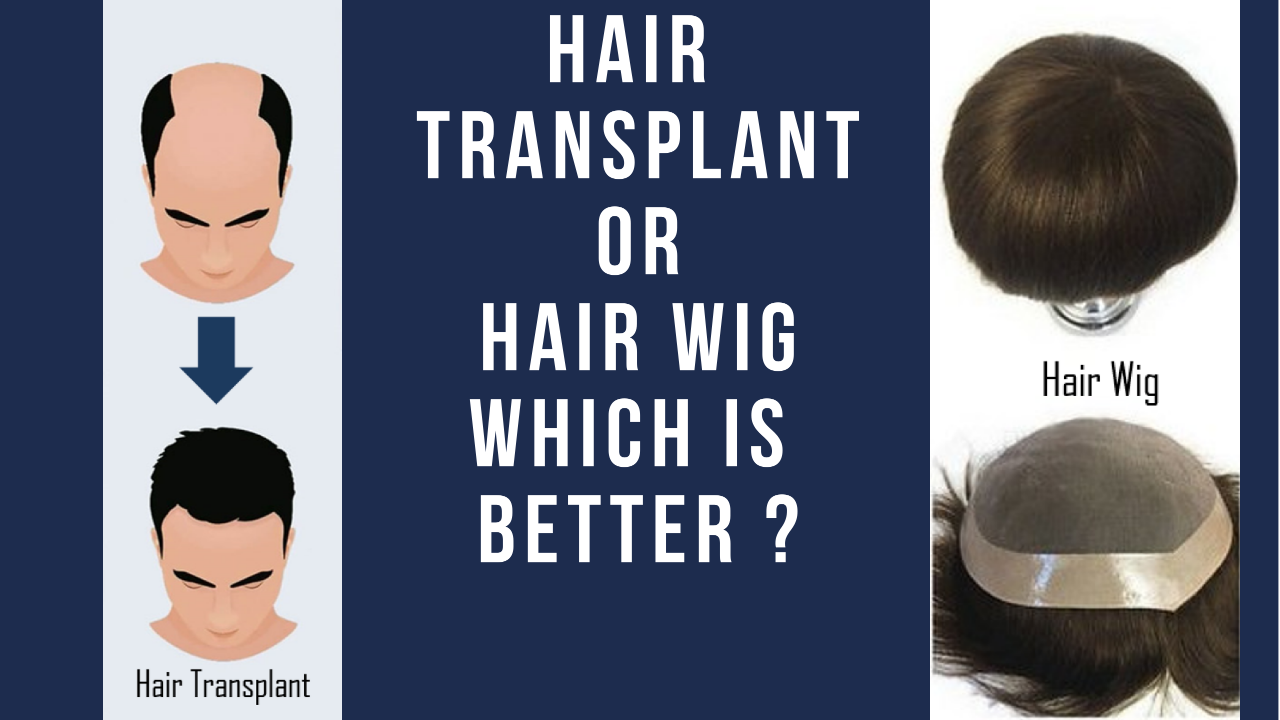
Understand the key differences between hair transplants and non-surgical hair patches. Find out which solution suits your needs best.
Hair loss solutions vary in technique, cost, and results. Two popular options are hair transplants and hair patches.

Here’s how they compare:

Hair Transplant
Procedure: Surgical method where hair follicles are transplanted from a donor site.
Longevity: Permanent solution.
Natural Look: Grows naturally and can be styled like normal hair.
Cost: Higher upfront cost.
Recovery Time: Requires downtime for healing.

Hair Patch
Procedure: Non-surgical. A customized hair system is attached to the scalp.
Longevity: Needs maintenance every few weeks/months.
Natural Look: Good quality patches look real but don’t grow.
Cost: More affordable initially.
Recovery Time: Instant change, no downtime.

Which is Right for You? Choose hair transplant if you want a permanent fix and have enough donor hair. Go for a patch if you need a quick, reversible solution or aren’t eligible for surgery.
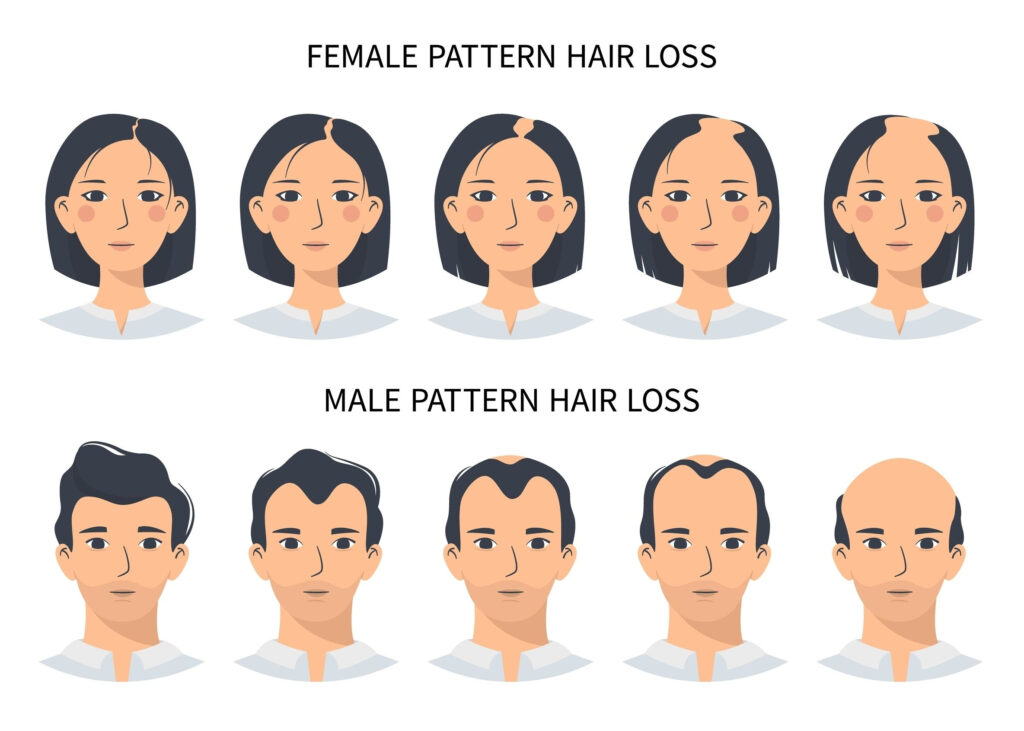
Discover the different types of baldness, how they appear, their causes, and effective treatment options. Learn to identify the pattern affecting you.

Hair loss affects millions of men and women around the world. However, not all baldness is the same. Recognizing the type of baldness you’re experiencing is the first step toward effective treatment. Let’s explore the major types of baldness:

1. Androgenetic Alopecia (Male & Female Pattern Baldness)
The most common form, often hereditary. Men experience receding hairlines and crown thinning, while women see diffuse thinning across the scalp.

2. Alopecia Areata
An autoimmune disorder causing patchy hair loss. It can occur suddenly and may affect other body hair.

3. Telogen Effluvium
Triggered by stress, illness, or hormonal changes. This condition causes temporary shedding and can be reversed once the trigger is removed.

4. Traction Alopecia
Caused by tight hairstyles pulling the hair over time. Common in individuals frequently styling hair in braids or buns.

5. Scarring Alopecia
Rare, but leads to permanent hair loss. It’s caused by inflammation that destroys hair follicles.

Treatment Options: Medications like minoxidil, hair transplant, PRP therapy, or hair patches. Identifying the type helps select the right solution.