
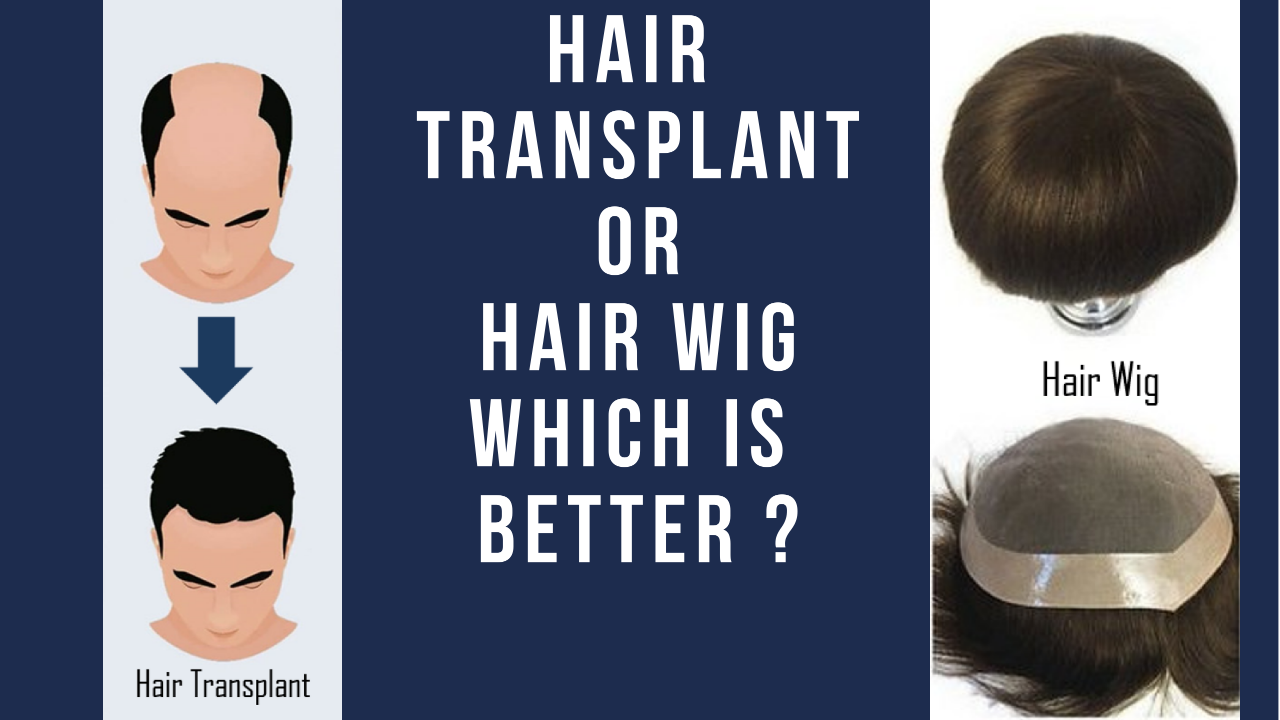
Understand the key differences between hair transplants and non-surgical hair patches. Find out which solution suits your needs best.
Hair loss solutions vary in technique, cost, and results. Two popular options are hair transplants and hair patches.

Here’s how they compare:

Hair Transplant
Procedure: Surgical method where hair follicles are transplanted from a donor site.
Longevity: Permanent solution.
Natural Look: Grows naturally and can be styled like normal hair.
Cost: Higher upfront cost.
Recovery Time: Requires downtime for healing.

Hair Patch
Procedure: Non-surgical. A customized hair system is attached to the scalp.
Longevity: Needs maintenance every few weeks/months.
Natural Look: Good quality patches look real but don’t grow.
Cost: More affordable initially.
Recovery Time: Instant change, no downtime.

Which is Right for You? Choose hair transplant if you want a permanent fix and have enough donor hair. Go for a patch if you need a quick, reversible solution or aren’t eligible for surgery.
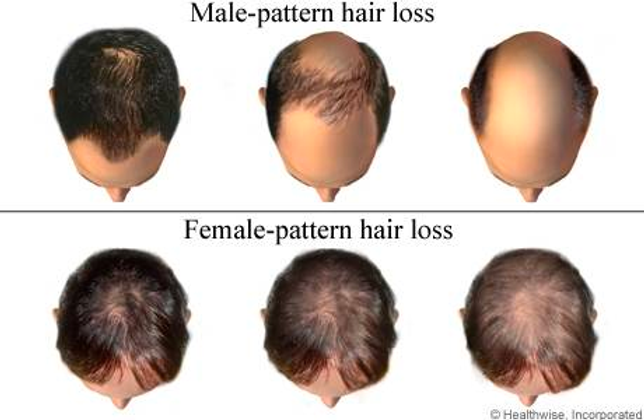
Compare male and female pattern baldness, their causes, progression, and treatment options. Find tailored solutions for each gender.
Hair loss doesn’t discriminate, but it does behave differently in men and women. Understanding these differences is crucial for effective treatment.

1. Pattern of Hair Loss
Men typically experience receding hairlines and bald spots on the crown. Women usually face overall thinning without total baldness.

2. Causes
While genetics is a common factor, hormonal differences, pregnancy, menopause, or PCOS often play larger roles in female baldness.

3. Age of Onset
Men can start losing hair as early as their late teens. Women typically notice thinning in their 40s or later.

4. Social Impact
Women may experience more psychological distress due to societal beauty standards, making emotional support crucial.

5. Treatment Approaches
Both genders benefit from minoxidil and PRP, but hair transplant is more common in men. Women often prefer non-surgical methods like hair patches or wigs.

Tailoring treatments to the biological and emotional needs of each gender ensures better results and satisfaction.