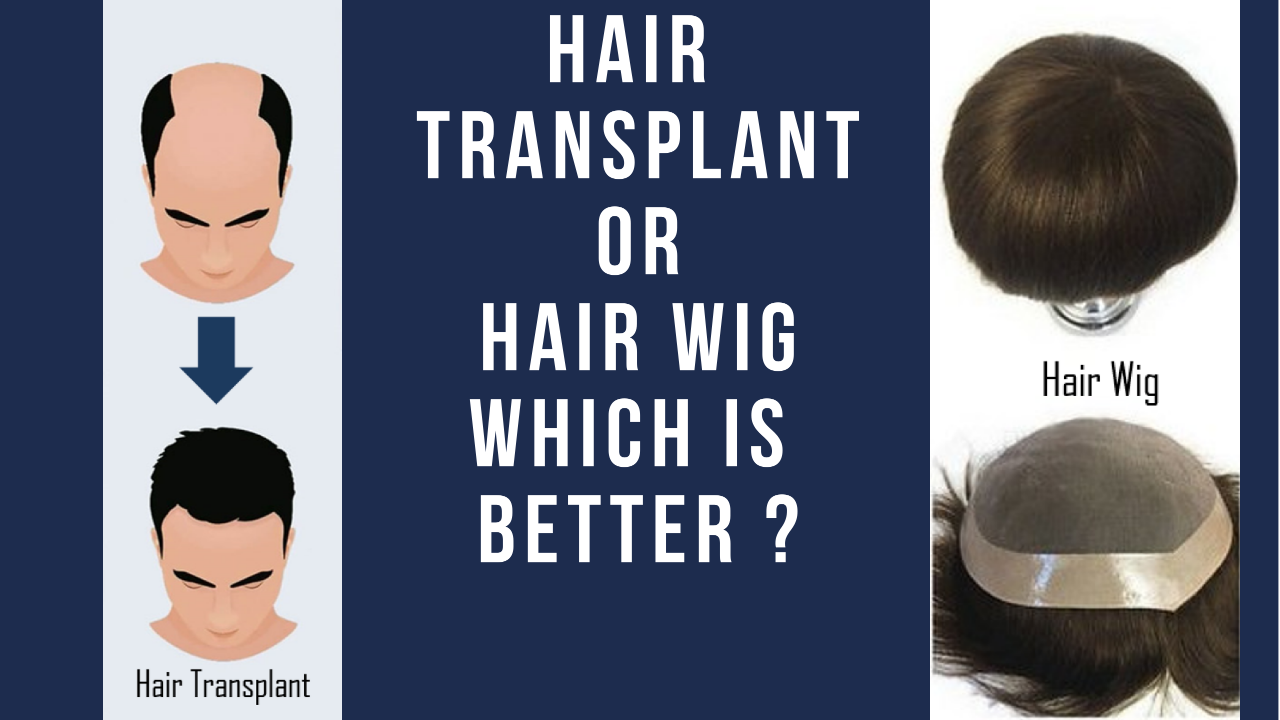
Understand the key differences between hair transplants and non-surgical hair patches. Find out which solution suits your needs best.
Hair loss solutions vary in technique, cost, and results. Two popular options are hair transplants and hair patches.

Here’s how they compare:

Hair Transplant
Procedure: Surgical method where hair follicles are transplanted from a donor site.
Longevity: Permanent solution.
Natural Look: Grows naturally and can be styled like normal hair.
Cost: Higher upfront cost.
Recovery Time: Requires downtime for healing.

Hair Patch
Procedure: Non-surgical. A customized hair system is attached to the scalp.
Longevity: Needs maintenance every few weeks/months.
Natural Look: Good quality patches look real but don’t grow.
Cost: More affordable initially.
Recovery Time: Instant change, no downtime.

Which is Right for You? Choose hair transplant if you want a permanent fix and have enough donor hair. Go for a patch if you need a quick, reversible solution or aren’t eligible for surgery.
Learn the most common reasons for hair loss in men and women. Identify whether your baldness is genetic, hormonal, or lifestyle-driven.
Hair loss can be distressing and may stem from a variety of factors. Understanding the root cause helps in choosing the right solution. Here are the primary reasons:

1. Genetic Predisposition
Also known as androgenetic alopecia, this inherited condition is the most common reason for baldness in both men and women.

2. Hormonal Changes
Conditions like PCOS, thyroid disorders, and menopause in women or testosterone imbalance in men can trigger hair fall.

3. Nutritional Deficiencies
Lack of protein, iron, zinc, or vitamins like B12 and D3 can lead to weakened hair and excessive shedding.

4. Stress and Anxiety
Emotional or physical stress can cause a sudden shift in hair growth cycles, leading to telogen effluvium.

5. Medical Treatments
Certain medications like chemotherapy, steroids, or antidepressants can cause temporary or permanent hair loss.

6. Scalp Conditions
Infections, dandruff, or psoriasis can damage follicles and obstruct healthy growth.

7. Hair Styling Practices
Excessive heat styling, coloring, or tying hair tightly can result in traction alopecia.

Identifying the exact reason behind your hair loss is key to preventing further damage and restoring growth.