
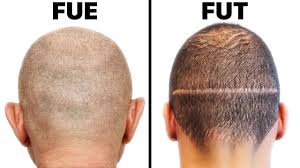
Hair loss can be a frustrating experience, affecting confidence and self-image. Thankfully, modern hair restoration procedures offer effective, permanent solutions. Two of the most popular surgical options are FUT (Follicular Unit Transplantation) and FUE (Follicular Unit Extraction). While both techniques are highly effective, they differ significantly in method, recovery, scarring, and suitability. In this blog, we explore the key differences between FUT and FUE hair transplants and help you determine which option is best suited for your individual needs.
What is FUT Hair Transplant?
FUT, also known as the strip method, involves removing a thin strip of scalp from the back of the head. This strip is then dissected under a microscope to harvest individual follicular units, which are transplanted into the balding areas.
Advantages of FUT:
- Higher follicle yield in one session
- Suitable for advanced hair loss
- Often more cost-effective
Disadvantages of FUT:
- Linear scar on the donor area
- Longer recovery time
- Potential for more post-operative discomfort
What is FUE Hair Transplant?
FUE is a more modern technique where individual hair follicles are extracted directly from the scalp using a micro-punch tool and then implanted into the thinning or balding areas.
Advantages of FUE:
- No linear scar; minimal dot scars that are barely visible
- Faster healing and less post-op pain
- Can wear short hairstyles post-surgery
Disadvantages of FUE:
- Time-consuming and may require multiple sessions
- Slightly lower graft yield per session
- Usually more expensive than FUT
Key Differences Between FUT and FUE
| Feature | FUT | FUE |
|---|---|---|
| Harvesting Method | Strip of scalp | Individual follicle extraction |
| Scarring | Linear scar | Dot-like minimal scarring |
| Recovery Time | 10-14 days | 5-7 days |
| Graft Yield | High | Moderate to high |
| Cost | Usually lower | Usually higher |
| Suitable For | Advanced hair loss | Mild to moderate hair loss |
Which Hair Transplant is Best for You?
Choosing between FUT and FUE depends on several factors:
- Extent of Hair Loss: If you require a large number of grafts, FUT might be more efficient. For smaller areas or touch-ups, FUE is often ideal.
- Scalp Elasticity: FUT requires more scalp flexibility for strip removal, whereas FUE can be done with tighter scalps.
- Lifestyle and Hairstyle Preferences: If you prefer short hairstyles and minimal scarring, FUE is the better choice.
- Budget Considerations: FUT is generally more affordable, making it suitable for those on a tighter budget.
- Recovery Time: If you need to return to work quickly, FUE offers faster healing.
Final Thoughts
Both FUT and FUE are proven hair transplant methods with high success rates. The right choice varies based on individual needs, goals, and medical evaluation. Consulting with an experienced hair transplant surgeon is essential to determine the most appropriate method for your unique condition.
If you’re considering a hair transplant and need expert advice, The Hair Consultants can connect you with experienced, trusted hair transplant doctors across India.
Restore your hair. Rebuild your confidence.