Thinking about a hair transplant? Find out if you’re the right candidate based on your age, hair type, health, and expectations.
Hair transplant isn’t for everyone. Understanding whether you are a suitable candidate helps you set realistic goals and choose the right solution.

1. Type of Hair Loss
Candidates with androgenetic alopecia (male/female pattern baldness) usually respond well. Sudden or patchy hair loss may need medical treatment first.

2. Age Factor
Ideal candidates are above 25 years when the pattern stabilizes. Younger patients may require additional future sessions.

3. Donor Hair Availability
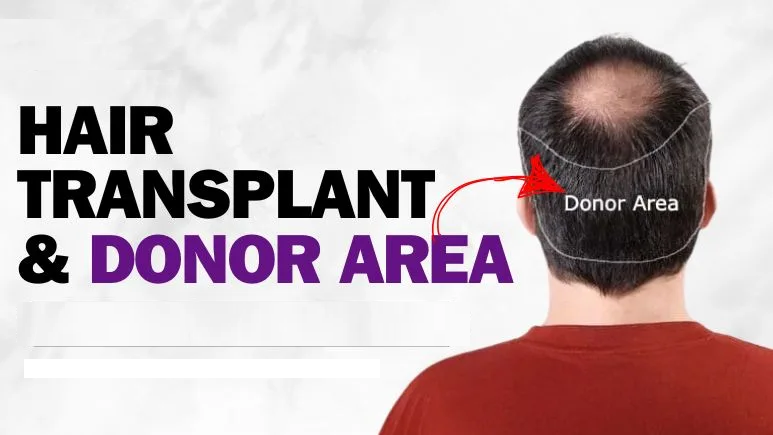
You need enough healthy follicles at the back or sides of your scalp for successful grafting.

4. Scalp Health
No underlying conditions like infection, dermatitis, or poor skin elasticity.

5. Overall Health
Conditions like diabetes or hypertension should be well-managed. Smoking and alcohol can hinder healing.

6. Realistic Expectations
Results take time, and density might not match your original hair. A good surgeon will explain this.

Consulting a qualified specialist ensures a proper assessment and a personalized treatment plan.
Compare male and female pattern baldness, their causes, progression, and treatment options. Find tailored solutions for each gender.
Hair loss doesn’t discriminate, but it does behave differently in men and women. Understanding these differences is crucial for effective treatment.

1. Pattern of Hair Loss
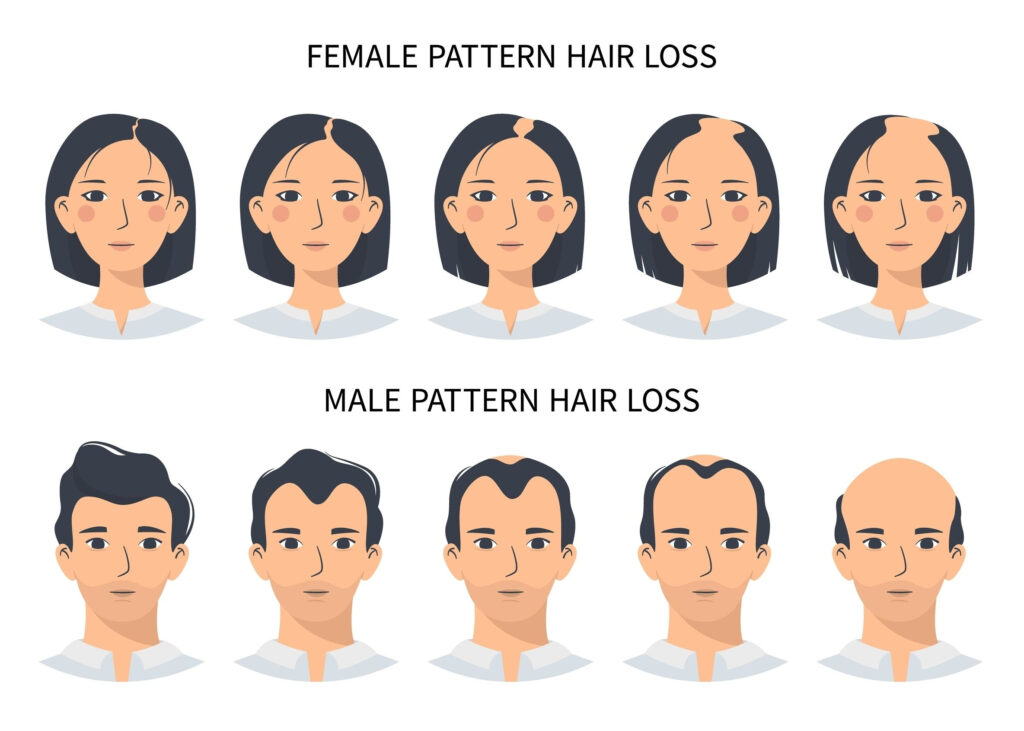
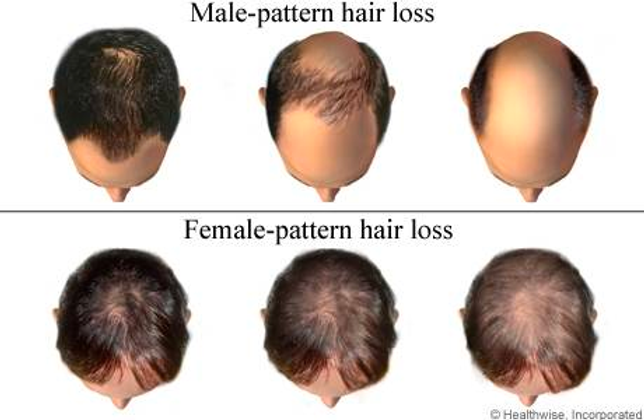
Men typically experience receding hairlines and bald spots on the crown. Women usually face overall thinning without total baldness.

2. Causes
While genetics is a common factor, hormonal differences, pregnancy, menopause, or PCOS often play larger roles in female baldness.

3. Age of Onset
Men can start losing hair as early as their late teens. Women typically notice thinning in their 40s or later.

4. Social Impact
Women may experience more psychological distress due to societal beauty standards, making emotional support crucial.

5. Treatment Approaches
Both genders benefit from minoxidil and PRP, but hair transplant is more common in men. Women often prefer non-surgical methods like hair patches or wigs.

Tailoring treatments to the biological and emotional needs of each gender ensures better results and satisfaction.

Discover the different types of baldness, how they appear, their causes, and effective treatment options. Learn to identify the pattern affecting you.

Hair loss affects millions of men and women around the world. However, not all baldness is the same. Recognizing the type of baldness you’re experiencing is the first step toward effective treatment. Let’s explore the major types of baldness:

1. Androgenetic Alopecia (Male & Female Pattern Baldness)
The most common form, often hereditary. Men experience receding hairlines and crown thinning, while women see diffuse thinning across the scalp.

2. Alopecia Areata
An autoimmune disorder causing patchy hair loss. It can occur suddenly and may affect other body hair.

3. Telogen Effluvium
Triggered by stress, illness, or hormonal changes. This condition causes temporary shedding and can be reversed once the trigger is removed.

4. Traction Alopecia
Caused by tight hairstyles pulling the hair over time. Common in individuals frequently styling hair in braids or buns.

5. Scarring Alopecia
Rare, but leads to permanent hair loss. It’s caused by inflammation that destroys hair follicles.

Treatment Options: Medications like minoxidil, hair transplant, PRP therapy, or hair patches. Identifying the type helps select the right solution.