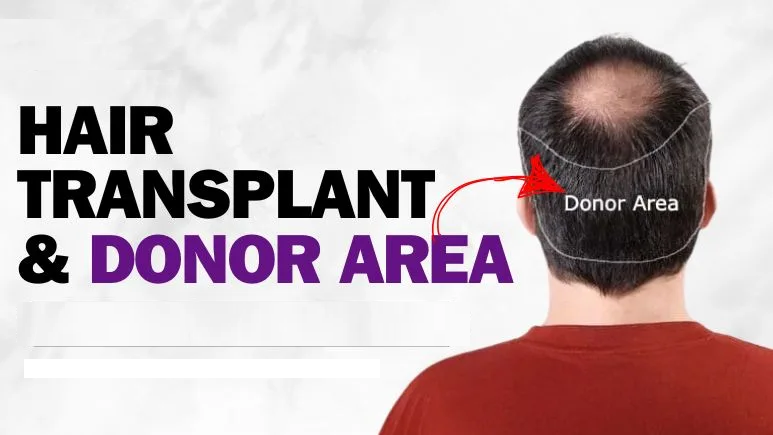
Thinking about a hair transplant? Find out if you’re the right candidate based on your age, hair type, health, and expectations.
Hair transplant isn’t for everyone. Understanding whether you are a suitable candidate helps you set realistic goals and choose the right solution.

1. Type of Hair Loss
Candidates with androgenetic alopecia (male/female pattern baldness) usually respond well. Sudden or patchy hair loss may need medical treatment first.

2. Age Factor
Ideal candidates are above 25 years when the pattern stabilizes. Younger patients may require additional future sessions.

3. Donor Hair Availability
You need enough healthy follicles at the back or sides of your scalp for successful grafting.

4. Scalp Health
No underlying conditions like infection, dermatitis, or poor skin elasticity.

5. Overall Health
Conditions like diabetes or hypertension should be well-managed. Smoking and alcohol can hinder healing.

6. Realistic Expectations
Results take time, and density might not match your original hair. A good surgeon will explain this.

Consulting a qualified specialist ensures a proper assessment and a personalized treatment plan.
Learn the most common reasons for hair loss in men and women. Identify whether your baldness is genetic, hormonal, or lifestyle-driven.
Hair loss can be distressing and may stem from a variety of factors. Understanding the root cause helps in choosing the right solution. Here are the primary reasons:

1. Genetic Predisposition
Also known as androgenetic alopecia, this inherited condition is the most common reason for baldness in both men and women.

2. Hormonal Changes
Conditions like PCOS, thyroid disorders, and menopause in women or testosterone imbalance in men can trigger hair fall.

3. Nutritional Deficiencies
Lack of protein, iron, zinc, or vitamins like B12 and D3 can lead to weakened hair and excessive shedding.

4. Stress and Anxiety
Emotional or physical stress can cause a sudden shift in hair growth cycles, leading to telogen effluvium.

5. Medical Treatments
Certain medications like chemotherapy, steroids, or antidepressants can cause temporary or permanent hair loss.

6. Scalp Conditions
Infections, dandruff, or psoriasis can damage follicles and obstruct healthy growth.

7. Hair Styling Practices
Excessive heat styling, coloring, or tying hair tightly can result in traction alopecia.

Identifying the exact reason behind your hair loss is key to preventing further damage and restoring growth.